Long reads for Denver and the Front Range
Heating and Cooling a House on the Front Range
Heating and cooling a Denver-area house is its own problem: dry summer heat, nights that drop 30 degrees, chinooks, summer hail, wildfire smoke and ozone alerts. These long reads take each one in turn, with every figure linked to the agency or maker that published it.
Cooling
Swamp coolers, central air, hail and hot upstairs rooms in a dry, sunny climate.
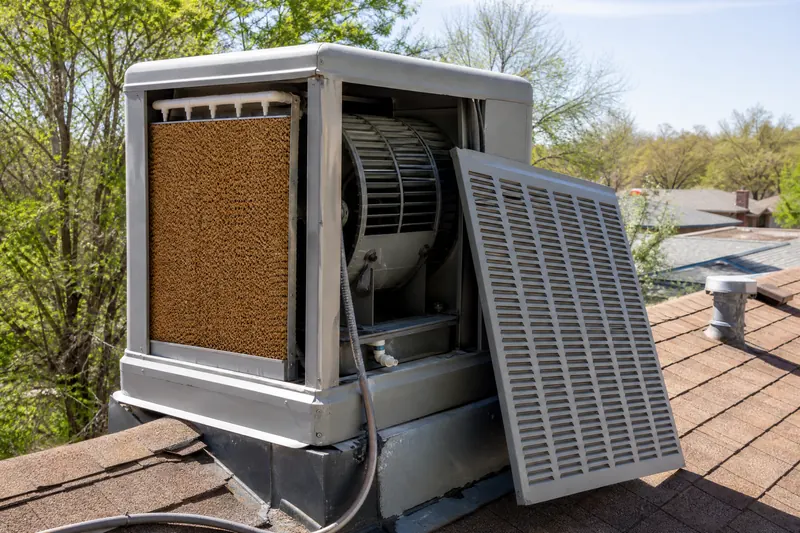
- Swamp Cooler, Central Air or a Heat Pump?A swamp cooler suits Denver's dry summers and uses about a quarter of central air's energy, but it needs open windows, water and roof upkeep, and it…
- Opening and Closing an Evaporative CoolerEvaporative cooler start up begins with the power off and locked out, then clean pads, a working bleed and water on before power. Fall shutdown runs…
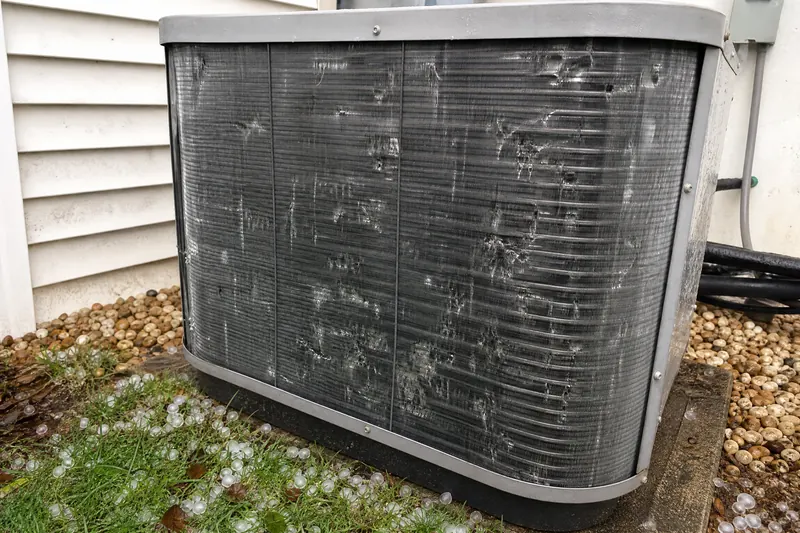
- When Hail Hits the Outdoor UnitHail damage to an AC condenser usually shows as flattened fins and dented panels. Switch a battered unit off at the disconnect, photograph…
- Why the Upstairs Bakes and What HelpsUpstairs too hot in summer usually means three things stacked together: a sun-baked attic overhead, ducts that lose cool air on the way up, and a…
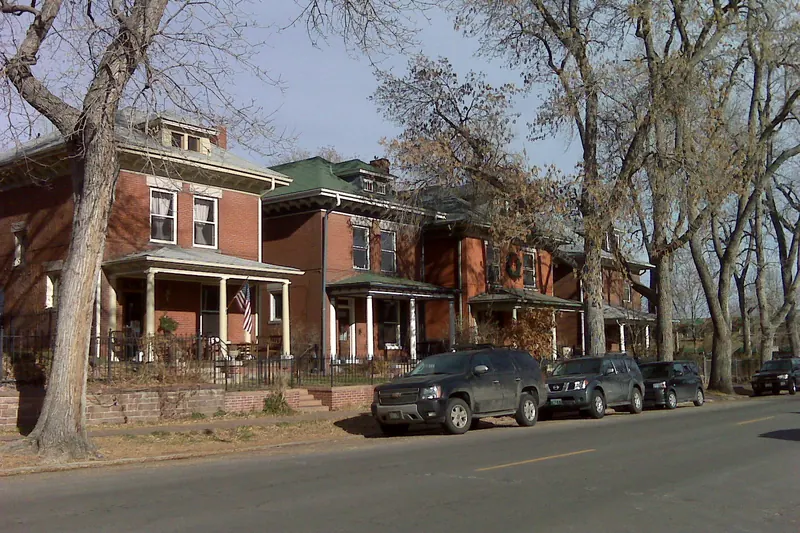
- Ductless Heat Pumps in Houses Without DuctsA ductless mini-split suits Denver's older brick houses because it needs no ductwork: a small refrigerant line through the wall links an outdoor unit…
Heating
Furnaces, heat pumps, chinook swings, dry winter air and carbon monoxide.
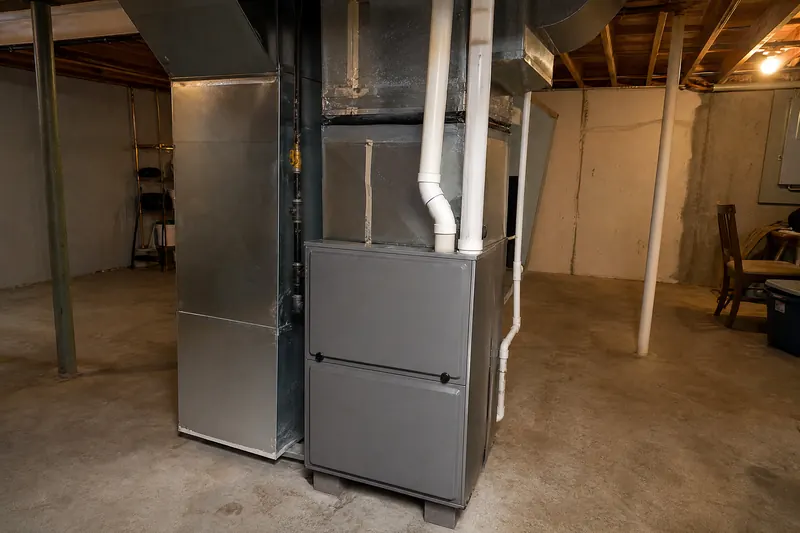
- Furnace, Heat Pump or Both?Furnace or heat pump in Colorado is rarely all-or-nothing. A cold-climate heat pump can carry most Front Range winter days; a gas furnace or backup…
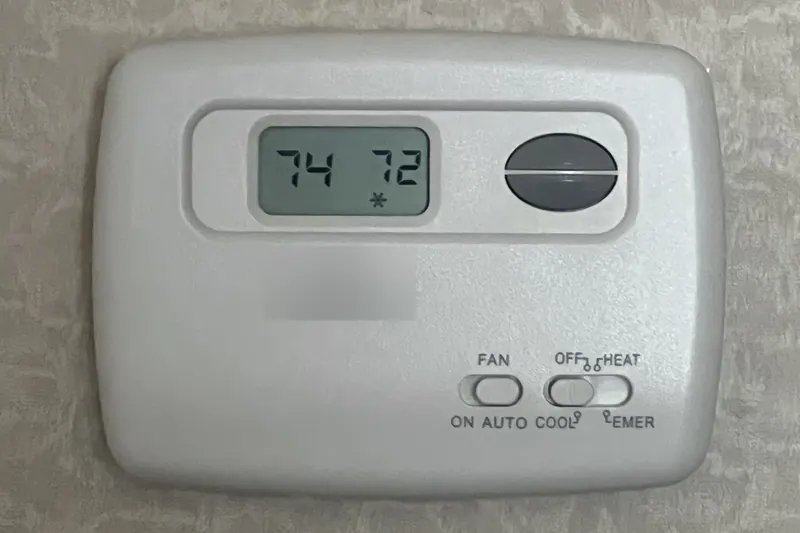
- Thermostats for a Place Where Weather SwingsThermostat settings for temperature swings on the Front Range come down to steady targets, modest setbacks and a thermostat that knows what it…
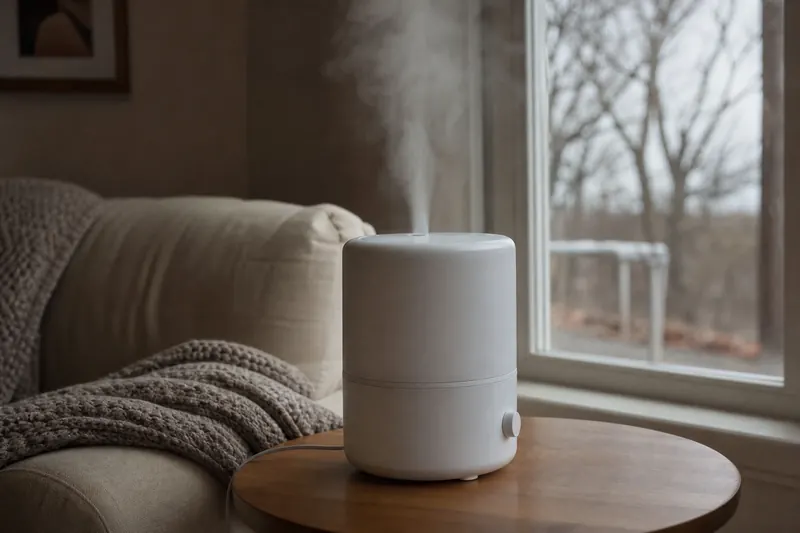
- Dry Winter Air and What to Do About ItDry winter air in a Denver house is normal, and a humidifier helps if it is kept modest. Aim for 30 to 50% indoors, turn it down before cold snaps…
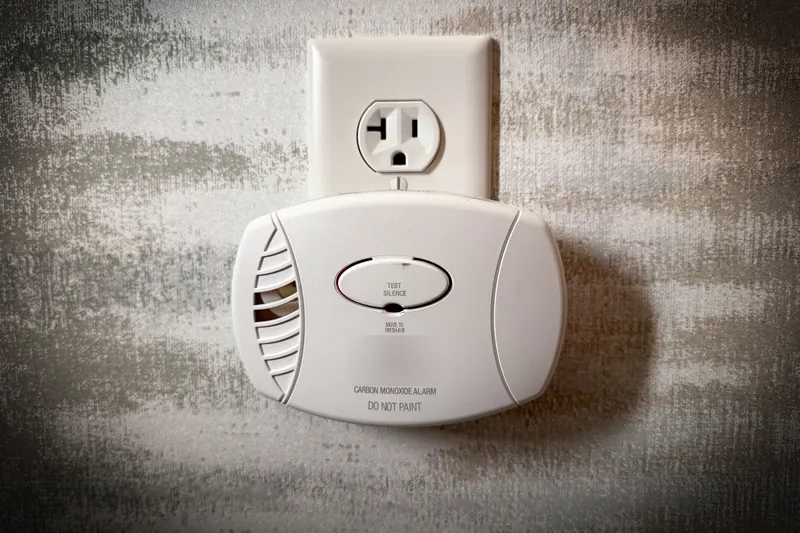
- Carbon Monoxide, Gas Furnaces and the Alarm LawColorado's carbon monoxide alarm law covers most Front Range houses: any home with gas heat, a fireplace or an attached garage. Put alarms within 15…
Air & Smoke
Wildfire smoke, ozone days and what the system pulls indoors.
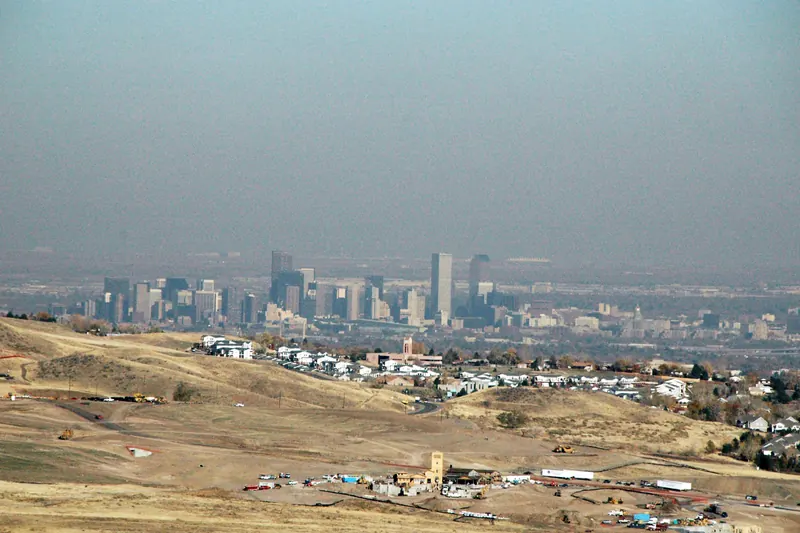
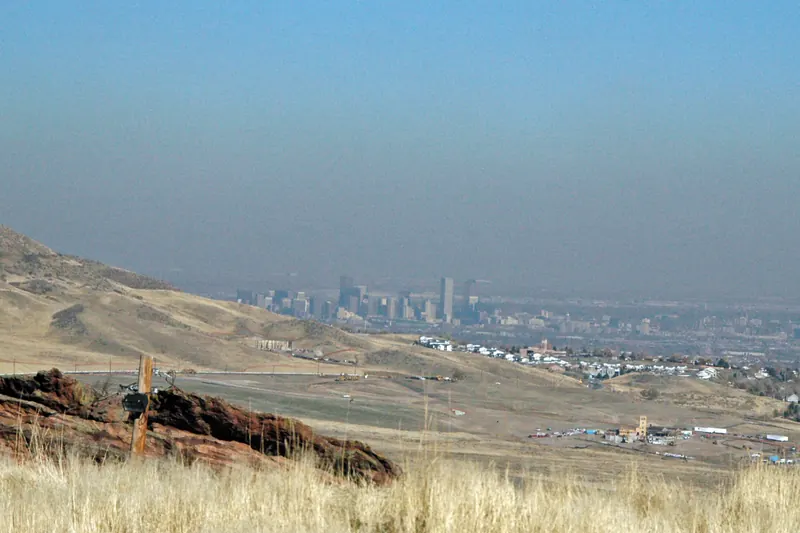
- Wildfire Smoke, Filters and the Furnace FanFor wildfire smoke, a furnace filter rated MERV 13, or the highest your system can take, plus the fan set to On and outdoor air shut off, cleans the…
- Ozone Days and the Air You Pull InsideOn an ozone action day in Denver, the gas builds outdoors in hot sun, so pull outdoor air in during the cool morning and evening, close up through…
Rebates & Rules
Xcel Energy rebates, Denver's rules on replacement and the tax credits that are left.
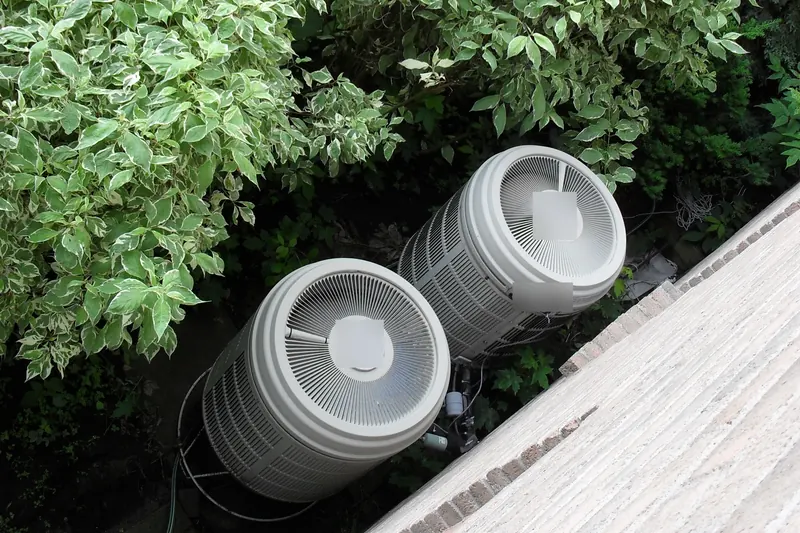
- Xcel Energy Rebates for Heating and CoolingXcel Energy's heat pump rebate in Colorado pays by the ton in 2026, up to $1,500 per heating ton for a cold-climate model at the bonus rate. Installs…
- What Denver Requires When You ReplaceDenver has no heat pump requirement for single-family houses, as of the city's pages we could read in 2026. The city's electrification rules cover…
- Heat Pump Tax Credits: State and FederalColorado's heat pump tax credit survives in 2026, but your contractor claims it: $1,000 on an air-source system, with at least $333 passed to you as…

Hiring
Finding, checking and working with a Front Range heating and cooling contractor.
- How to Choose a Front Range ContractorChoosing an HVAC contractor in Denver starts with the city, not the search results: licensing here is local, so check the company holds the right…
- Permits and Inspections for a New SystemAn HVAC permit in Denver, Aurora or Lakewood is required for a furnace, central AC, heat pump or swamp cooler replacement, even like for like. The…